Nesquehoning, PA
Loading Dock Repair and Equipment in Nesquehoning
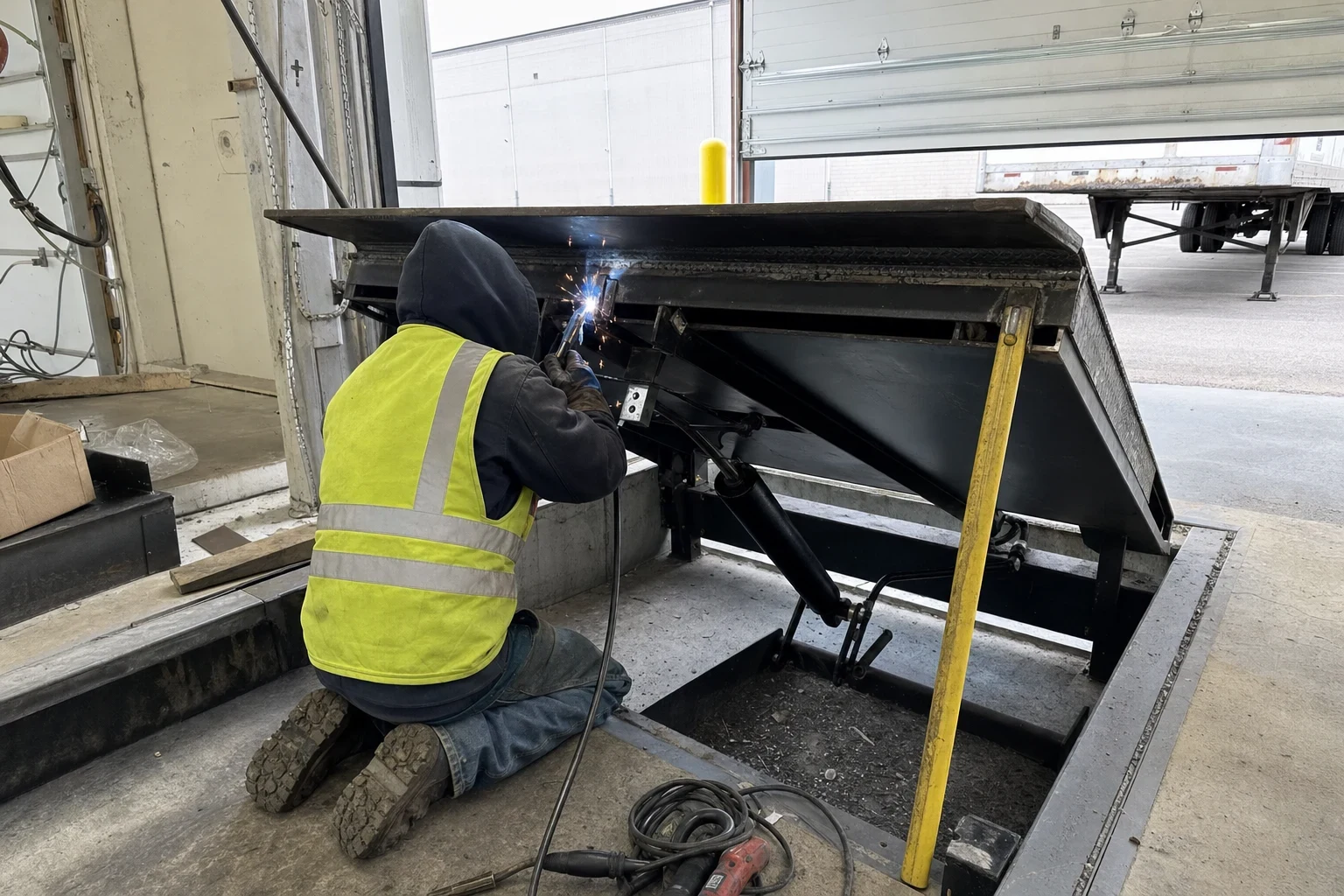
We repair, maintain and install the equipment that keeps a loading dock moving: dock levelers, vehicle restraints, overhead doors, high speed doors and rolling grilles. For warehouses, manufacturers and receiving docks in Nesquehoning, Jim Thorpe and Lehighton, we price each fix against how long it will last, so the choice still makes sense years from now.
- Written line-item estimates
- Honest repair-or-replace answers
- Work scheduled around shifts
- Photos of what we find
About Loading Dock Repair Nesquehoning
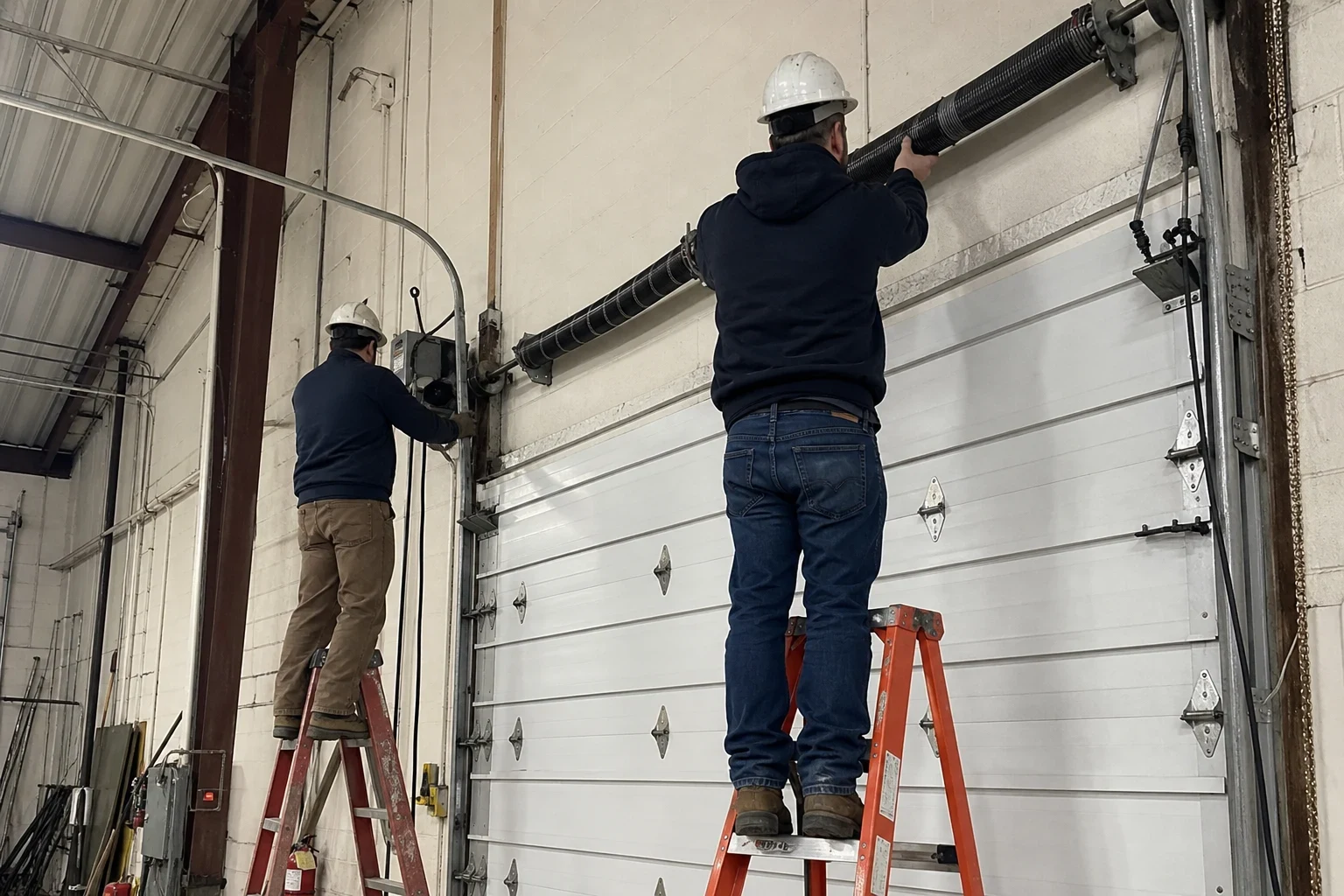
We look after the docks at warehouses, distribution centers, manufacturing plants, grocery stores and retailers with their own receiving bays. Our job is simple to describe: keep the equipment working safely and help you spend money on it only where it pays back.
That means we would rather tune and lubricate a leveler that has years left in it than sell you a new one. When a unit truly is finished, we say so plainly, explain why and help you choose a replacement that fits the way your dock is used, whether that means a heavier lip, a stronger restraint or a faster door at a busy opening.
- Certifications
- Factory-trained and certified on represented manufacturers' equipment
Dock Services We Handle
We take care of the whole dock: preventative maintenance, dock levelers, vehicle restraints, overhead doors, high speed doors and rolling grilles, along with equipment sales and installation once something has worn past its useful life. Our technicians hold factory training and certification on the equipment from the manufacturers we represent. That training counts most on hydraulic and air-powered levelers and on restraint controls, where one wrong adjustment can cut the life of the entire unit.
Preventative Maintenance
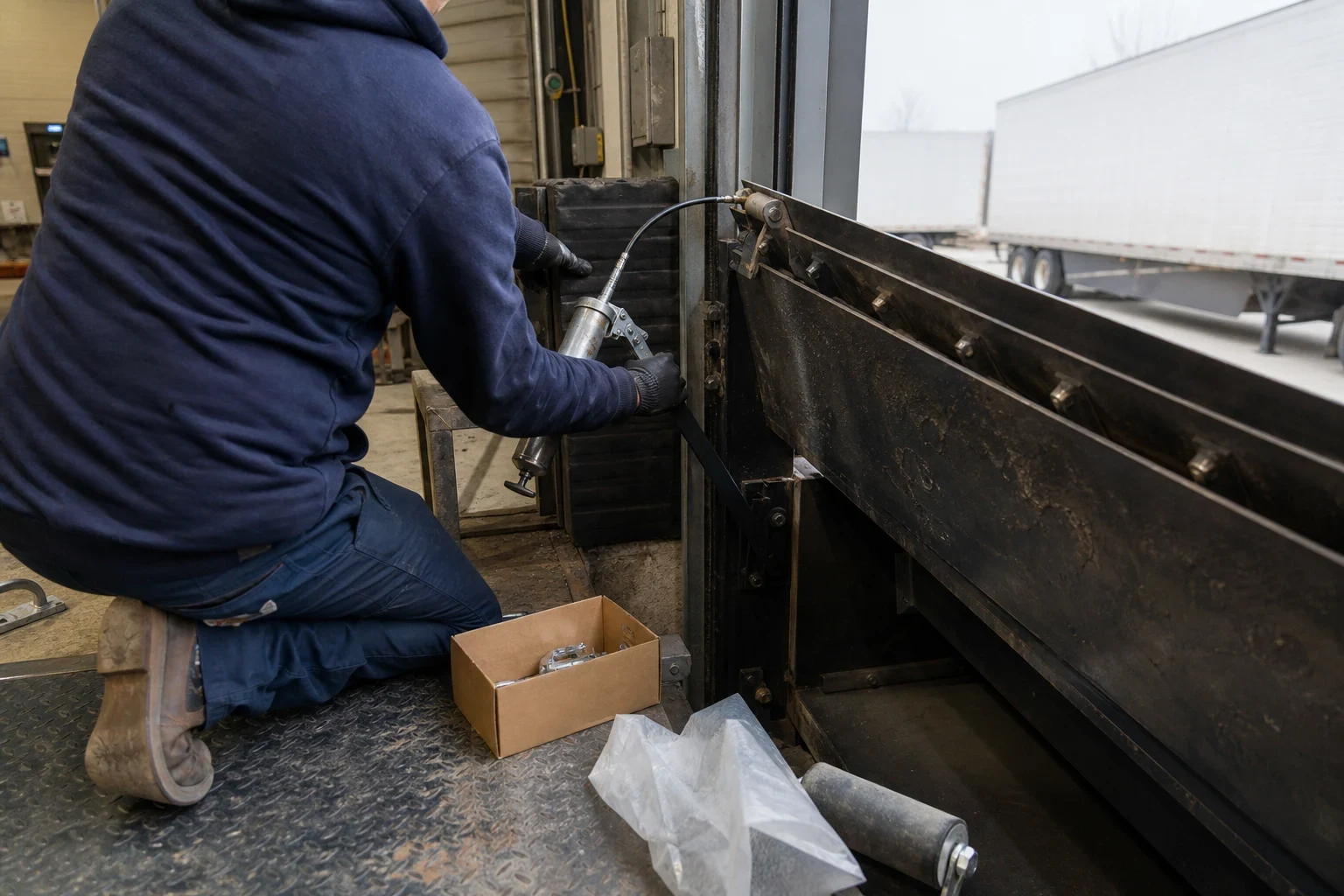
Scheduled inspections, lubrication and adjustment for levelers, doors and restraints, with a written report that shows what to fix now and what can wait.
Equipment Installation
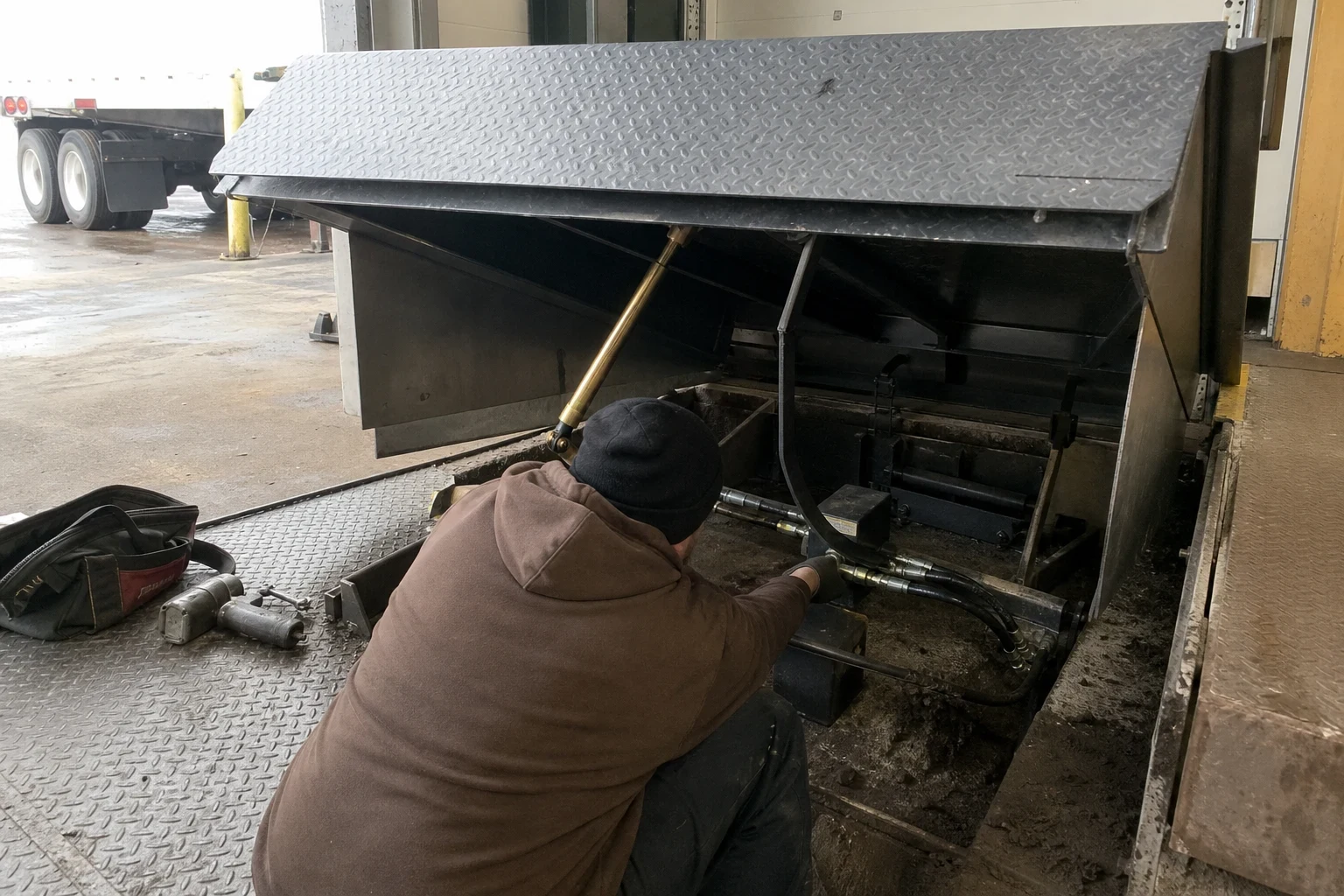
Levelers, restraints, seals and dock doors set to the maker's specs and matched to your trailers, with cost, lifespan and upkeep compared before you commit.
Equipment Sales
Dock levelers, overhead doors, vehicle restraints and seals chosen by comparing purchase price with service life and the upkeep each one will need.
Overhead Doors
Repair and replacement of commercial overhead doors, from springs and cables to damaged sections, seals and operators, with options weighed against long-term upkeep.
High Speed Doors
Repair, tuning and installation of fabric and rigid high speed doors, with an honest look at cycle life and upkeep before you spend.
Rolling Grilles
Repair, replacement and new installation of rolling security grilles, with material and operator choices weighed against years of use and upkeep.
Vehicle Restraints
Repair, service and installation of hook-style and wheel-based vehicle restraints, with clear advice on what will hold up longest at your dock.
Dock Levelers
Repair, rebuild or replacement of hydraulic, mechanical and air-powered dock levelers, with a clear view of what each option costs over the years.
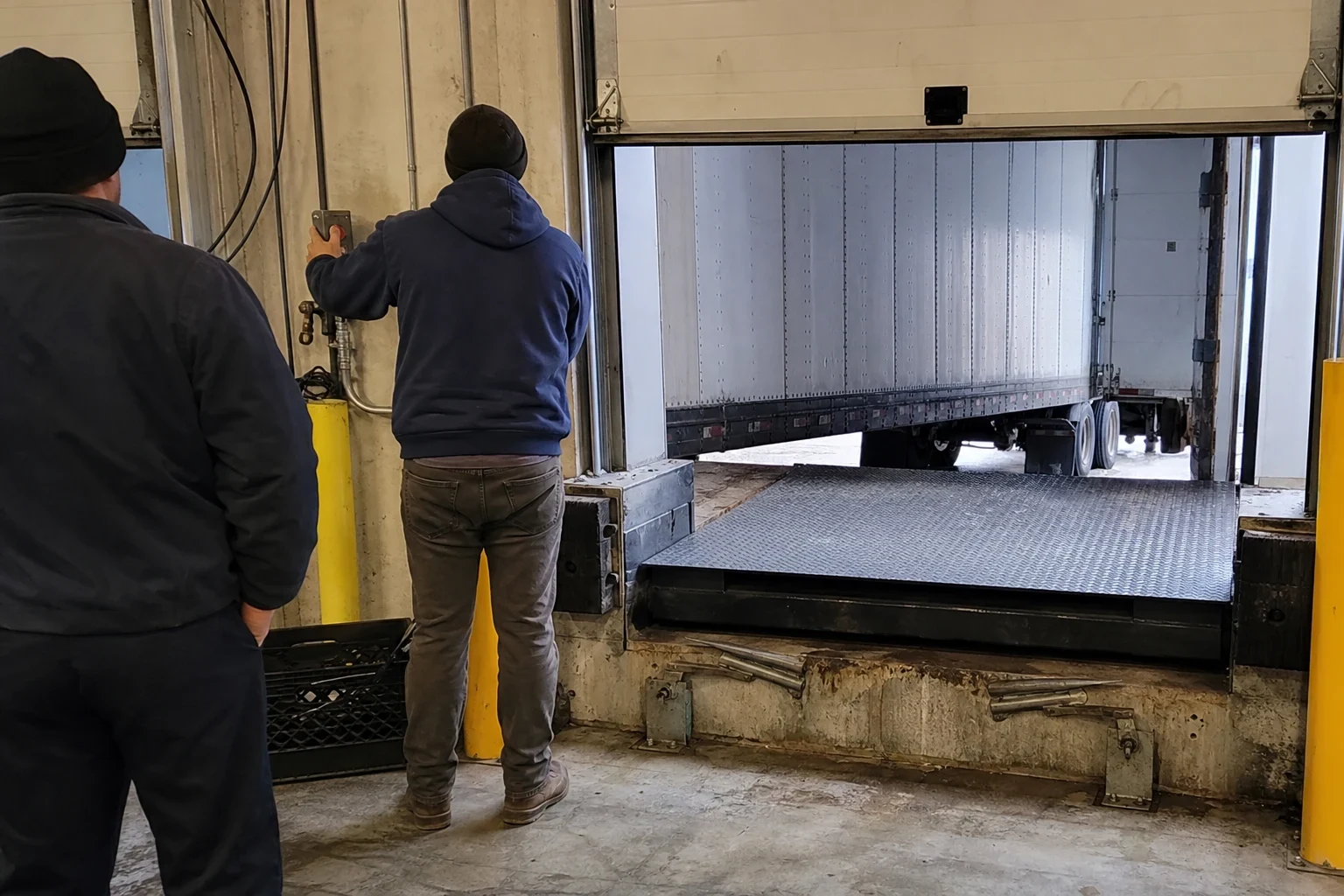
How We Work on Your Dock
A dock repair that costs less today can cost more by the end of the year. We look at both numbers before we recommend anything.
- Cost weighed against lifespan
- When a leveler lip hinge cracks or a door panel is bent, we tell you what the repair costs, how long it should hold and what replacement would cost instead. You see both paths on paper and choose with the full picture.
- Estimates broken out by line
- Parts, labor and any related work are listed separately. If we find a worn chain or a leaking cylinder while we are there, we show you and price it on its own line rather than folding it into the total.
- Work timed around receiving
- A dock that is down costs you trucks and labor. We plan repairs and maintenance visits around your shipping and receiving schedule, and we work one door at a time where the layout allows so the rest of the dock keeps running.
- Careful, tidy job sites
- We protect finished floors and nearby racking, mark off the work area for forklift traffic and leave the dock swept. Old parts are removed unless you ask to keep them.
- Records you can use
- After each visit you get notes and photos of what we checked, what we adjusted and what is wearing. Over time that record shows which equipment is earning its keep and which is costing more than it should.
What Moves the Cost of Dock Work
Every dock is different, so we price the job after we have seen the equipment. These are the things that most affect the number, and the ones we explain on every estimate.
We give you a written estimate after we have looked at the equipment, with each part and task listed. Nothing is added to the job without your approval first.
- Type and age of equipment
- A mechanical leveler, a hydraulic unit and an air-bag leveler each use different parts and need different labor. Older equipment may need parts that take longer to source, which can tip the math toward replacement.
- Condition underneath
- Damage often goes past what you can see. A dock pit with cracked concrete, a rusted leveler frame or a door track pulled from its mounting changes the scope, and we will show you photos before any extra work is added.
- Repair versus replacement
- Patching a unit that has failed several times may cost less this month but more over three years. We put both options side by side so the long-term cost is clear.
- Door size and type
- A standard sectional overhead door, an insulated door, a high speed door and a rolling grille all differ in materials, motors and controls. Larger openings and heavier gauges cost more to service and to replace.
- Access and scheduling
- Work that has to happen after hours or across several shifts to protect your receiving schedule takes more planning. Clear access to the pit and the door header keeps labor time down.
- Wear from weather and salt
- Cold winters and road salt carried in on trailers speed up rust on leveler frames, restraint hooks and door bottoms. Corrosion that has gone deep adds parts and labor to a repair.
Towns We Serve
Our home base is Nesquehoning, and we work with facilities in nearby towns such as Jim Thorpe, Lansford, Summit Hill, Lehighton and Tamaqua. Maintenance, repair and installation jobs also take us to Hazleton, Weatherly, Mahoning, West Penn and Franklin.
- Nesquehoning
- Jim Thorpe
- Mahoning
- Lansford
- Summit Hill
- Weatherly
- Hazleton
- Tamaqua
- Lehighton
- West Penn
- Franklin
If your site sits just past these towns, we can often still get there. Tell us where you are when you call, and we will confirm we cover it before anything is booked.
How a Dock Job Runs
From the first phone call to the final walk-through, you know what is happening at each step.
- 1
A phone call about the problem
Tell us which equipment is acting up, what it is doing and when your dock is busiest. We set a visit time that keeps disruption low.
- 2
Inspection on site
We look at the equipment, the pit, the controls and the door hardware, and we take photos of anything worn or damaged.
- 3
Written options
You get a line-item estimate. Where it makes sense, we show the repair and the replacement side by side, with our honest view of how long each should last.
- 4
The work itself
We mark off the area, protect the floor and complete the work during the window we agreed on. Before we leave, we cycle the equipment several times and check safety functions such as restraint interlocks and door reversing.
- 5
Walk-through and notes
We show your team what was done and send notes and photos for your maintenance records.
Common Questions
Is it better to repair or replace my dock leveler?
That comes down to the state of the frame and pit, how often the unit has broken down and whether parts are still easy to find. We price both routes and show how long each should hold up. When a repair will give you several solid years, that is what we recommend.
How often does loading dock equipment need maintenance?
Most busy docks do well with preventative maintenance spaced through the year, and doors and levelers that cycle nonstop need visits more often. We can build a schedule around how many trucks you receive and how hard the equipment works. Finding a worn hinge pin or weak spring early nearly always costs much less than a breakdown.
Can you do the work without closing our whole dock?
Usually, yes. When the layout allows, we take one position at a time and plan around your receiving windows. Bigger installations can call for a planned shutdown, and we settle the timing with you well ahead.
What can our crew check between visits?
A short walk along the dock at the start of each shift catches plenty. Make sure each leveler lip extends all the way and lies flat on the trailer bed, that restraint lights switch color once a trailer is secured and that doors reverse when something breaks the sensor. Keep shrink wrap and pallet scraps out of the pit. If something looks or sounds off, write down the door number and mention it when you call.
Do you sell new dock equipment too, or only repair it?
We do both. Our loading dock equipment sales and installation covers levelers, vehicle restraints, overhead doors, high speed doors and rolling grilles. We help you compare models on build quality, upkeep and expected service life, not just the purchase price.
Will I see the cost before work begins?
Yes. Once we inspect the equipment, you get a written estimate listing each part and task. If something unexpected turns up mid-job, we pause, show you photos and get your go-ahead before continuing.
Why won't our overhead door stay balanced?
The usual culprits are worn-out springs, frayed cables, tracks bent by forklift hits or rollers seized by rust and salt. We track down the cause instead of only readjusting the door, so the repair lasts longer.
Make Your Next Dock Repair Count
Tell us what your equipment is doing and how your dock runs. We will set up a visit and give you honest options, priced for today and for the years ahead.